Exploring CBD for Depression: What the Research and Real-World Use Tell Us
Why People Are Turning to CBD for Depression
Depression is a heavy word. It is not just sadness that fades after a bad day. It is a persistent cloud that can drain motivation, disrupt sleep, and make even small tasks feel impossible. For decades, the standard tools have been prescription antidepressants, therapy, and lifestyle changes. But in recent years, many people have started exploring cannabidiol, commonly known as CBD, as a complementary option. The conversation around cbd for depression has grown louder, driven by anecdotal reports and a steady stream of research into how this compound interacts with the brain.
I have spoken with dozens of people who use CBD products regularly. Some started using a vape pen for quick relief during anxious moments. Others prefer edibles for a slower, longer-lasting effect. A surprising number mentioned bath bombs and balms, not just for physical relaxation but for the ritual of self-care. The common thread is a search for something that works alongside traditional treatments, not necessarily replace them. The question is whether the science supports what many users already feel.
How CBD Interacts With the Brain
To understand why cbd for depression might work, you have to look at the endocannabinoid system. This is a network of receptors and signaling molecules that helps regulate mood, appetite, pain, and memory. Two key players in this system are the CB1 receptor and the CB2 receptor. Unlike THC, the psychoactive compound in cannabis, CBD does not bind strongly to these receptors. Instead, it influences them indirectly, encouraging the body to produce more of its own endocannabinoids and slowing their breakdown.
This matters for mood regulation. The endocannabinoid system has a direct line to serotonin, a neurotransmitter that is often out of balance in people with depression. Many antidepressants work by increasing serotonin levels in the brain. CBD seems to support the same goal, but through a different pathway. It may also reduce inflammation, which is increasingly linked to chronic depression. Clinical trial data is still early, but several studies suggest that CBD can reduce symptoms of anxiety and stress, which are close cousins to depression.
Full-Spectrum, Broad-Spectrum, or Isolate: Which One Matters?
When you walk into a shop or browse online, you will see terms like full-spectrum CBD, broad-spectrum CBD, and CBD isolate. These are not just marketing words. They describe what else is in the product besides cannabidiol. Full-spectrum CBD contains all the cannabinoids, terpenes, and flavonoids found in the hemp plant, including trace amounts of THC. Broad-spectrum CBD includes most of these compounds but with the THC removed. CBD isolate is pure cannabidiol, nothing else.
For depression, the choice may matter more than for some other conditions. The entourage effect, the idea that cannabinoids work better together than alone, is real. Full-spectrum products might offer broader support for mood regulation because they include minor cannabinoids that influence the endocannabinoid system in subtle ways. That said, some people prefer CBD isolate because it is predictable and free of any psychoactive effects. I have seen users try both and settle on full-spectrum for its perceived depth of relief. Others stick with isolate because it feels cleaner and more consistent. There is no single right answer.
Practical Forms: From Vape Pens to Bath Bombs
How you take CBD affects how it works in your body. A vape pen delivers CBD directly into the bloodstream through the lungs. The effects come on fast, often within minutes, but they also fade faster. This makes vaping a good choice for acute anxiety or a sudden dip in mood. I know people who keep a vape pen in their bag for those moments when stress spikes and they need to reset quickly.
Edibles work differently. They pass through the digestive system and are processed by the liver, which changes the compound slightly before it reaches the bloodstream. The onset is slower, around thirty minutes to an hour, but the effects last much longer. For someone dealing with persistent low mood throughout the day, an edible might offer more stable support. The trade-off is that dosing can be trickier, because the body processes edibles at different rates depending on what else you have eaten.
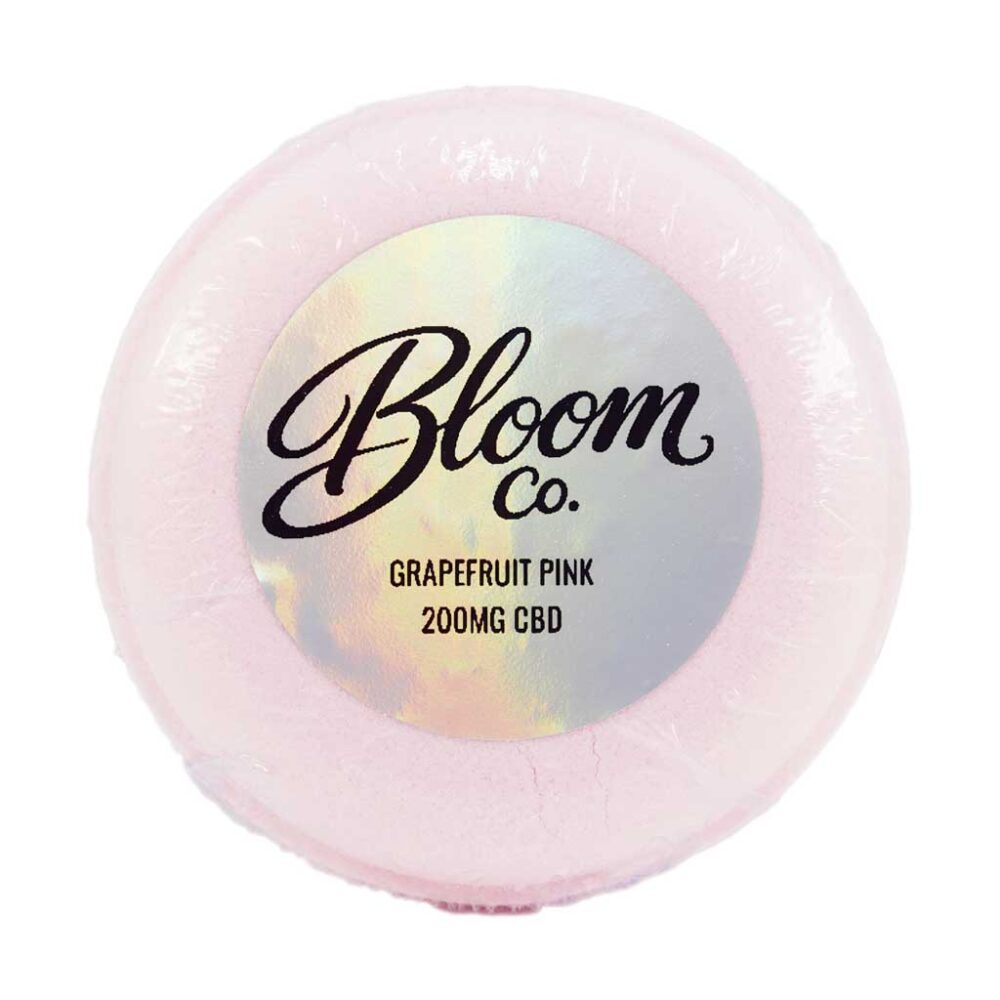
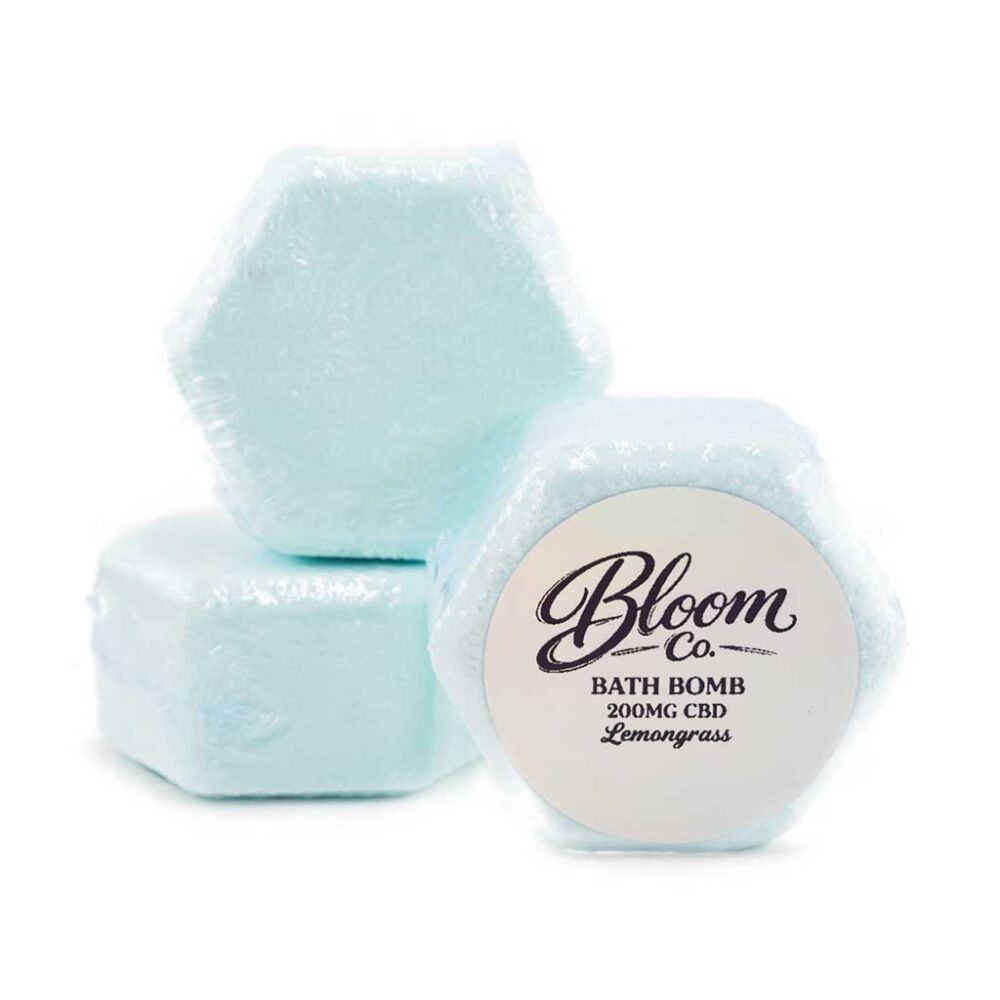
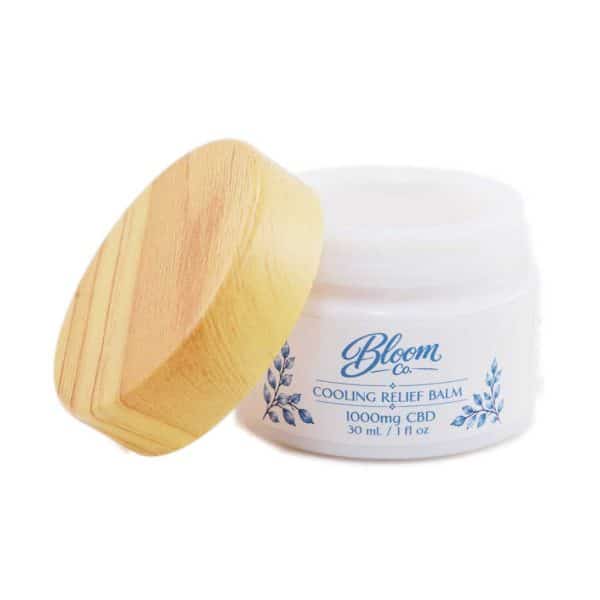
Then there are topicals like balms and bath bombs. These are usually associated with physical pain, but they can play a role in mental health too. A bath bomb infused with CBD creates a sensory experience. The warmth, the scent, and the slow release of cannabidiol through the skin can lower stress and promote a sense of calm. A balm rubbed into sore muscles or joints may relieve chronic pain, which is a common contributor to depression. The relief is not just physical. When pain eases, the mental load often lightens as well.
What the Evidence Actually Shows
Clinical trials on CBD and depression are still limited, but the ones that exist are encouraging. A 2018 study found that CBD had a rapid and sustained effect on depressive symptoms in animal models. Human trials are smaller but growing. One study published in the Journal of Clinical Psychopharmacology reported that CBD reduced symptoms of social anxiety in people with social phobia. Another trial looked at CBD as an adjunct to standard antidepressant treatment and found that it improved sleep and reduced anxiety.
It is important to be honest about the limits. Most studies use relatively high doses of CBD isolate, often in the range of 300 to 600 milligrams per day. Over-the-counter products, especially vape pens and edibles sold in shops, usually contain much less. The quality also varies widely. A product labeled as full-spectrum CBD might not contain the same levels of minor cannabinoids as another brand. This makes it hard to translate clinical results directly to real-world use.
That does not mean the real-world experience is worthless. Hundreds of thousands of people are using CBD daily and reporting benefits. The challenge is that individual results vary. One person might feel a noticeable lift in mood after a single serving of an edible. Another might need a consistent daily routine with a balm and a vape pen over several weeks before noticing a change. This variability is frustrating for anyone looking for a simple answer.
Practical Considerations and Trade-Offs
If you are thinking about trying cbd for depression, start with a clear sense of what you want to address. Is it the persistent low mood? The anxiety that makes everything worse? The chronic pain that wears you down? Different forms and doses target different aspects. A vape pen can help with acute stress, but it is not a long-term solution. Edibles provide steadier support but require patience with dosing. Bath bombs and balms are gentle and good for self-care routines, but they may not be strong enough for severe symptoms.
Quality matters. Look for products that have been tested by a third party. A reputable seller will provide a certificate of analysis showing the actual levels of cannabidiol and confirming that contaminants are within safe limits. Full-spectrum and broad-spectrum CBD products are generally preferred for mood-related uses because of the entourage effect, but a high-quality CBD isolate can still be effective if that is what you tolerate best.
Also consider how CBD fits with other treatments. It is not a replacement for therapy or medication. Many people use it as an adjunct, something that helps smooth the rough edges and makes other interventions more manageable. Talk to a doctor, especially if you are already taking antidepressants. CBD can interact with certain medications by affecting liver enzymes. A quick conversation with a healthcare provider can prevent complications.
The Bigger Picture
Depression is complex. No single compound, including CBD, is going to fix it on its own. The real value of CBD may be in how it supports the endocannabinoid system and helps regulate mood, stress, and inflammation. For many people, that support translates into a small but meaningful improvement in daily life. A bath bomb at the end of a long week. A vape pen during an anxious afternoon. An edible that helps take the edge off a restless evening. These are not cures, but they are tools.
The conversation around cbd for depression is still evolving. Research is catching up to what many users already believe. In the meantime, the best approach is informed trial and error, paying close attention to how your body responds and adjusting accordingly. If you choose to explore CBD, do it with curiosity and caution, and let your own experience be the guide.